

Executive Summary
What are the benefits of providing health coaching for employees?
Health coaching helps employees build healthier habits through personalized guidance and accountability. Employees who receive coaching are more likely to make lasting behavior changes and improve their overall well-being. Over time, health coaching supports higher engagement, reduced health risks, and better workplace performance.
What are health coaching services?
Employees are wanting more benefits in the workplace, and even in the areas of health coaching services. In fact, 75% of employees want a personalized touch with their health coaching. With all of the possibilities of health information at our fingertips, people still do not take the specific action to change their health and well-being.
Your organization’s benefits package may include a wellness program to assist your employees in implementing healthier lifestyle changes for improving their health. However, a lot of it still requires external motivation and accountability for individuals to get moving. This is where health coaching comes into play. Health coaching services inside of your wellness program allow private and personalized accountability with a designated coach.

Health coaching is a process in which a trained and often certified professional works with individuals or groups. These individuals, called health coaches, help them achieve their health goals. Health coaches use a client-centered approach to help their clients identify and achieve their health goals, which may include:
- weight loss
- increased physical activity
- stress reduction
- improved nutrition
They typically start by assessing their client’s current health status and identifying their specific health goals. From there, they work with their clients to develop a personalized plan. These plans should include specific steps and strategies for achieving their goals. Remember, nothing is ever one size fits all.
Health coaches provide support during every step of the coaching process. This ongoing support, encouragement, and accountability helps clients stay on track and overcome any obstacles that may arise. Coaches often provide long term education and resources to help their clients make healthy choices and manage their health.
Overall, health coaching is a collaborative process that empowers individuals to take an active role in their own health and well-being.
Health coaching is a collaborative process that empowers individuals to take an active role in their own health and well-being.
RELATED: 22 Best Wellness Certifications, Personal Training, and Health Coaching in 2023
What benefits do health coaching services provide employees?
Health coaching servicescan provide many benefits, including:
- Personalized Support: Health coaches work with individuals to develop a personalized plan for achieving their health goals. They offer support, motivation, and guidance, which can be especially helpful for people who have struggled to make positive changes on their own.
- Improved Health Outcomes: Studies have shown that health coaching can lead to improvements in a variety of health outcomes, including weight loss, better management of chronic conditions such as diabetes and hypertension, and increased physical activity.
- Accountability: Health coaches can help individuals stay accountable to their goals by checking in regularly, monitoring progress, and providing feedback.
- Education and Resources: Health coaches can provide education and resources on a variety of topics related to health and wellness, such as nutrition, exercise, stress management, and sleep.
- Increased Confidence: Working with a health coach can increase an individual’s confidence in their ability to make positive changes and take control of their health.
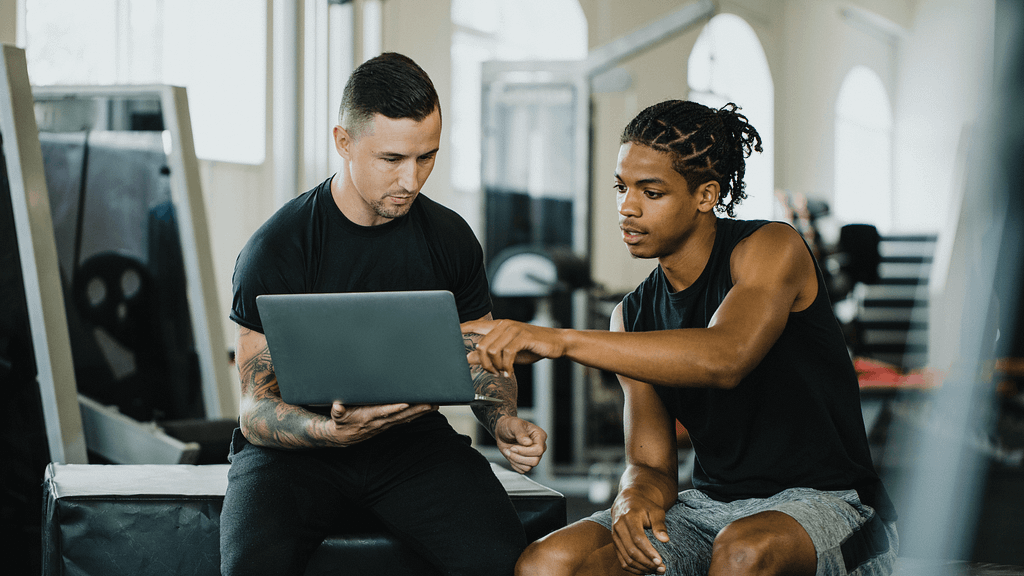
Overall, health coaching can be a valuable tool for individuals who are looking to improve their health and wellbeing. They just need that little extra push and commitment like a personal trainer would provide at the gym.
RELATED: Why Lower Health Care Costs is One of the Benefits of Wellness in 2023
How can companies integrate health coaching into a wellness program?
Incorporating health coaching services into a wellness program can be a great way for companies to help their employees achieve their health goals and improve their overall well-being, taking it to the next level. Here are some steps that a company can take to do so:
Ideas and Strategies
- Define the Goals and Objectives: First, you should determine the goals and objectives of the health coaching program. This can include reducing healthcare costs, increasing employee engagement, and improving employee health outcomes. Why add it at all?
- Identify the Target Population: Then determine which employees would benefit the most from health coaching. This may include those with chronic conditions, high-risk individuals, or those who are interested in improving their health and wellness.
- Select the Right Health Coaches: Be sure to select health coaches who are experienced, qualified, and trained in the specific areas of health and wellness that the employees are interested in. This can include nutrition, fitness, stress management, and more. You can survey your employees to get a feel for this.
- Offer a Variety of Coaching Options: To make the program more accessible and appealing to a wider range of employees, the company should offer a variety of coaching options. This can include one-on-one coaching, group coaching, online coaching, and more. Each individual person has better communication preferences and motivation circumstances in different coaching settings.
- Integrate Coaching Into the Overall Wellness Program: Your organization should integrate health coaching services into the overall wellness program to ensure that it is seen as an important part of the program. This can include offering incentives for participation in coaching, promoting coaching sessions, and making coaching resources easily accessible to employees.
- Evaluate the Program: Finally, evaluate the health coaching program on a regular basis to determine its effectiveness and make any necessary changes. This can include tracking employee engagement, measuring health outcomes, and soliciting feedback from employees.
Evaluating the program on the backend may be the most important step. Your wellness program committee may not get things right the first time. After a few rounds of coaching offered with your company benefits, then you may start to see what’s working well or not. Continuous feedback and tweaking for improvement is important in any company wellness program.
RELATED: 5 Questions to Ask Before You Evaluate a Wellness Program in 2023
Are there any drawbacks to offering health coaching?
While health coaching can be an effective way to support employees in achieving their health goals, there are some potential downsides to consider, because it may not be a fit for every company:
- Cost: Depending on the type of coaching program, it can be expensive to implement and maintain. This can be a barrier for smaller companies or those with limited budgets. (See more on that below.)
- Time Commitment: Employees may feel that they do not have the time to commit to health coaching sessions, particularly if they are busy with work and personal responsibilities.
- Lack of Motivation or Engagement: Some employees may not be interested in participating in health coaching or may not find the coaching sessions to be engaging or motivating. It really depends on the motivators of your employees overall.
- Ineffective Coaches: If the coaches are not experienced or qualified, or if they are not a good match for the employees, the coaching program may not be effective.
- Privacy Concerns: Employees may be hesitant to share personal health information with a coach, particularly if they do not feel that their privacy is adequately protected. That’s why most employees would rather work with a health coach that is contracted outside of their company.

It’s important for companies to carefully consider these potential downsides and address them as part of their health coaching program design and implementation to help ensure that the program is effective and well-received by employees. In summary, throwing another program at your employees doesn’t guarantee benefits.
RELATED: How Leadership Can Support Wellness Program Participation
What costs should employers consider when offering health coaching?
The cost of health coaching services can vary depending on several factors. Elements that can affect the cost of health coaching include:
- The type of coaching
- Experience and qualifications of the coach
- Length of the Health Coaching program
- Location of the coaching program
Here are some examples of the typical costs associated with health coaching:
- One-on-one Coaching: One-on-one coaching can range from $50 to $300 per session. Pricing specifically depends on the experience and qualifications of the coach and the length of the session.
- Group Coaching: Group coaching can be a more cost-effective option, with prices ranging from $15 to $100 per session, depending on the number of participants and the length of the program.
- Online Coaching: Online coaching can also be a more affordable option, with prices ranging from $50 to $150 per month for access to coaching resources and support.
Some companies offer health coaching as part of their employee wellness programs. These services may be fully or partially covered by the employer. Some health insurance plans may also cover the cost of health coaching services. This happens particularly when coaching is related to a specific health condition or risk factor. It’s worth reaching out to your company’s health insurance carrier to find out.
It’s important to note that while cost is an important consideration when coaching. However, the quality and effectiveness of the coaching program should be taken as a priority. It may take a few tries of evaluating the bottom line and effectiveness of adding health coaching services to your organization’s wellness program.

RELATED: How Effective Workplace Health Programs Reduce Health Care Costs in 2023
What is the WellSteps integrated health coaching model?
When you work with WellSteps in implementing your company’s wellness program, we can incorporate Health Coaching into your program in a number of ways. Our health coaches will interview and guide the “coachee” to set goals and focus on the actionable steps to help them reach those goals.
First off, employees are eligible for and invited to receive Integrated Health Coaching if they apply the following:
- Provide permission for a health coach to access their Personal Health Assessment data.
- Are at high risk for physical inactivity, poor nutrition, impaired sleep or stress.
- Are ready to change behavior.
Employees receive up to 6 coaching sessions during which they set and work on health-related goals, at $30 per session. Ask your WellSteps Guide what this may look like for your company’s wellness program.
RELATED: Health Coaching: The Good, the Bad, and the Ugly
How does the WellSteps integrated health coaching program typically work?
Employees who are ready to coach will receive communications from the health coaching team. In essence, they will be provided coaching session times and will select a time best suited to their needs for a one on one virtual health coaching sessions.
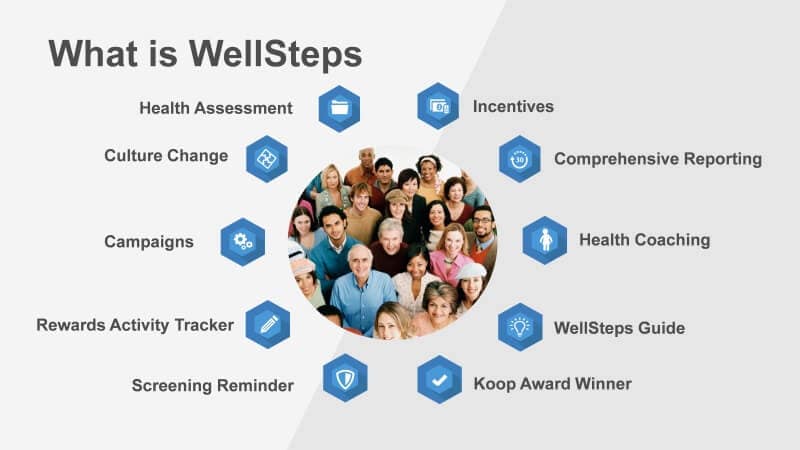
Employees receive up to 6 coaching sessions during which they set and work on health-related goals. If one of the goals you want to support is to help employees quit smoking, we recommend a comprehensive approach including policy change, cessation resources and support. Ask your WellSteps Guide for more info on this!
How does health coaching impact organization and employee outcomes?
All of our WellSteps coaches have a minimum of a Bachelor’s degree and are trained on our internal coaching system based on Motivational Interviewing. Our motivational interviewing model allows the “coachee” to take control of their health and, with the health coach, set realistic and SMART goals to help them reach their potential.
Our motivational interviewing model allows the “coachee” to take control of their health and, with the health coach, set realistic and SMART goals to help them reach their potential.
In summary, our solutions are similar to the educational system in that we work with groups of people. Group-based solutions enable powerful behavior change motivators like competition and collaboration. In the classroom setting when students need extra help, tutoring is provided. In the same way, providing health coaching for employees who need extra help enhances our group-based solutions.
RELATED: 10 Effective Ways to Motivate Employees in the 2023 Workplace
What steps should employers take to implement health coaching?
If you’re ready to see what a wellness program or health coaching services looks like for your company, schedule a free demo with our team and discover what benefits you can start seeing for your employees and organization today!
Frequently Asked Questions
Health coaching services are powerful because they translate general wellness advice into personalized, realistic plans for each employee. Instead of “eat better and move more,” a coach helps someone navigate their schedule, stress, and barriers and turn that into small doable steps. That kind of one-on-one support dramatically increases the chances that employees actually change behavior.
When we talk about health coaching services and engagement, the connection is strong: employees feel seen, supported, and valued when they have access to something usually reserved for high-level executives. That personal attention improves trust and loyalty, which in turn supports retention. Employees are more likely to stay where their whole health is cared for—not just their job performance.
It’s a common misconception that health coaching services are only for employees with high risk or chronic conditions. In reality, coaching helps across the entire risk spectrum—supporting prevention, stress management, and healthy habit-building for those who might otherwise drift into higher risk over time. It’s both a prevention and intervention tool.
HR can measure the impact of health coaching services by tracking participation rates, self-reported behavior change, biometric or health risk trends, and even productivity or absenteeism metrics over time. Often, employees who work with a coach report more confidence in managing their health, which leads to fewer health crises and more stability at work.